Skip to product information
1 of 5
In stock
Shipping now

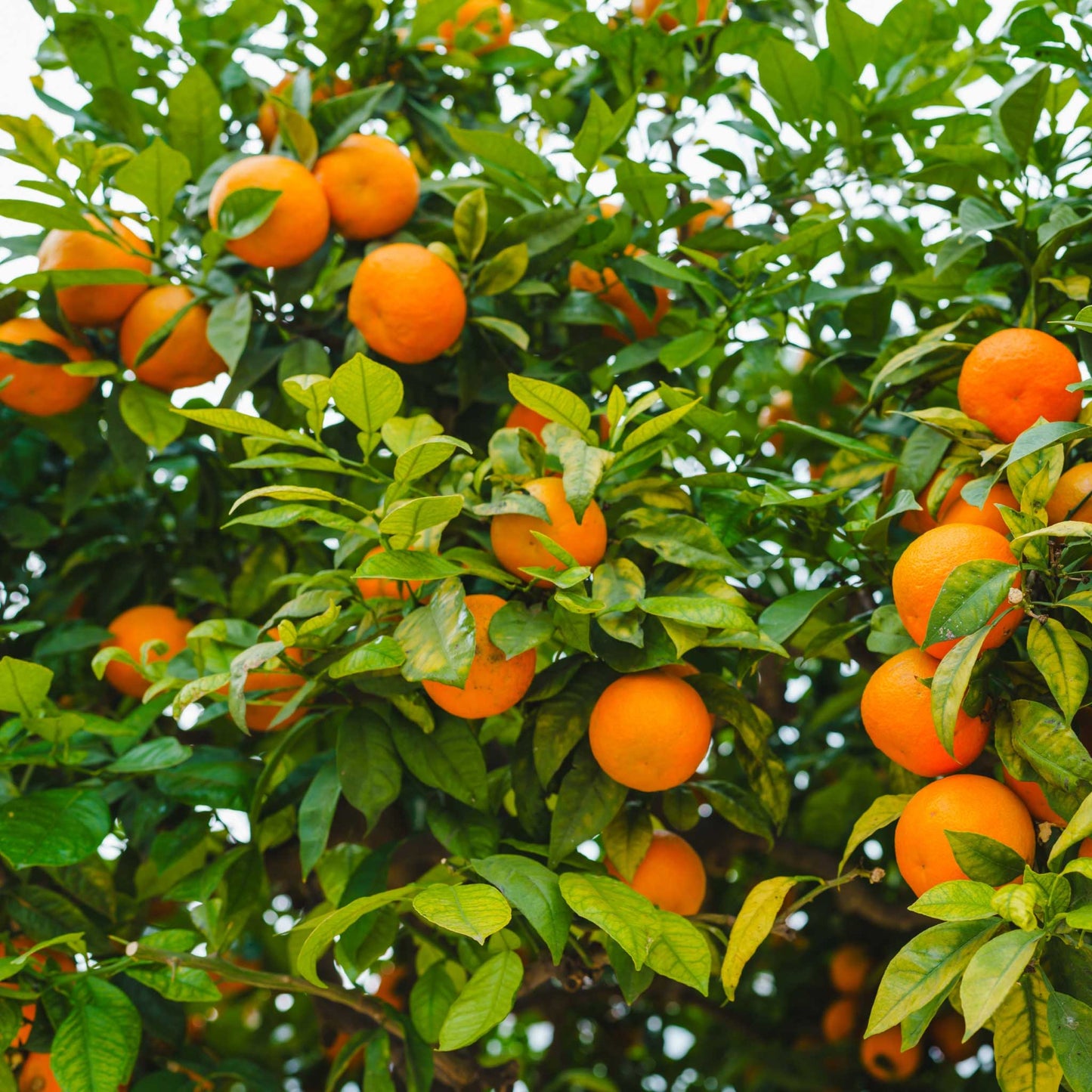
Clementine Mandarin Tree

Easy-peel, seedless, and kid-approved

Size
Trusted by 4M+ Gardeners
Grow Guarantee
Fast Shipping
Secure
Shipped from Asheville, NC

About the Variety

New

Key Features

Heat Tolerant
Attracts Bees
Attracts Butterflies
Container Friendly
Fragrant
Edible
Challenging but Rewarding

Plant Details

BOTANICAL NAME

Citrus x clementina

LIFE CYCLE

  • Perennial

SEED TYPE

  • Live Plant

LIGHT REQUIREMENT

  • Full Sun

BLOOM SEASON

  • Spring

GROWTH HABIT

  • Compact
  • Upright

COLOR

  • Orange

MATURE SIZE

  • 10-15 ft. x 6-10 ft.

If you've ever tucked a "Cutie" into a lunchbox, you've already met the Clementine. This beloved mandarin is prized for its easy-peeling skin, naturally seedless fruit, and irresistibly sweet flavor. Its small, deep orange fruits fit perfectly in little hands, while the juicy, fragrant segments make a healthy snack everyone loves. Grow your own and you get that same effortless snack, picked at the peak of sweetness instead of weeks-old from a mesh bag.

Plant your Clementine in the ground in warm regions, or grow in a container that travels with the seasons where it freezes. Clementine Mandarin will set fruit on its own, but it is considered partially self-pollinating. Cross-pollinating a Clementine with a compatible variety, Improved Meyer Lemon for example, can increase fruit set, but it can also cause the Clementines to develop seeds.

This item is excluded from coupon codes and site-wide promotions.

Available across most of the U.S. — except AK, AL, AZ, FL, HI, TX.

  • • Loose rind slips off easily and segments separate cleanly
  • • Natually compact and slow-growing, thrives in a pot on patio or balcony
  • Partially self-pollinating; fruitful alone, better in pairs

Planting Information

PLANTING SEASON

  • Spring
  • Summer
  • Fall

PLANTING DEPTH

  • Plant at the same depth as the container

WATER NEEDS

  • Average

PLANT SPACING

  • 8 to 12 feet

HARDINESS ZONES

  • 8
  • 9
  • 10
  • 11

Planting Guide

recommended growing zone View our Clementine Mandarin Planting Guide to learn more

Companion Plants

1 of 3

Clementine Mandarin Tree FAQs

How is a Clementine different from an orange or other mandarins?

A Clementine is a small mandarin, not an orange. It is sweeter, milder, and far less acidic, with a loose, thin rind that peels off in seconds. Compared with other mandarins like tangerines, it's smaller, consistently seedless when grown alone, and especially easy to separate into clean segments. That combination of sweetness, easy peeling, and no seeds is why it's marketed as a "cutie."

Will the fruit really be seedless?

Yes, as long as the tree is grown on its own. Clementines are seedless when their flowers aren't cross-pollinated by another nearby citrus. Plant a second mandarin or another citrus close by and bees may carry pollen over, which can lead to a few seeds. For the seedless snack experience, grow your Clementine solo.

Can I grow it indoors or in a cold climate?

Yes. Clementines are excellent container citrus. Grow yours outdoors year-round in zones 9 through 11, or anywhere in a pot that spends summer outside and winter indoors. It's damaged below about 28°F, so in cold regions move it inside before the first frost and place it in your brightest window or under a grow light.

How soon will it bear fruit, and when do I harvest?

A healthy, well-established tree typically begins producing within the first couple of years, with crops building as it matures. Clementines ripen in the cool season, from late fall into winter, right around the holidays. Pick when the rind is fully colored and the fruit feels heavy, and taste one first, since color can show before peak sweetness.

Why is my fruit dry, splitting, or sour?

These are usually water and timing issues. Inconsistent watering, long dry spells followed by a heavy soak, is the main cause of split rinds, so keep moisture steady. Dry, pithy segments often mean the fruit was left on the tree too long or the tree was stressed for water. Sour fruit is simply picked too early; mandarins don't keep sweetening after harvest, so give them time to fully ripen on the branch.

Why are the leaves turning yellow?

Yellowing usually points to watering or nutrition. Soggy, poorly draining soil is the most common culprit, so let the top inch dry between waterings and make sure pots drain freely. Pale leaves with green veins signal a micronutrient shortage, so feed it with a citrus fertilizer containing iron, zinc, and manganese. Some leaf drop after a move indoors or a change in light is normal and the tree recovers.

Grown by Our Community • All citrus

    1 of 0