Skip to product information
1 of 7
Low Stock
Shipping now

Fuji Apple Tree

Crisp, juicy, honey-sweet flavor

Height
Trusted by 4M+ Gardeners
Grow Guarantee
Fast Shipping
Secure
Shipped from Asheville, NC

About the Variety

New

Key Features

Frost Tolerant
Heat Tolerant
Attracts Bees
Fragrant
Edible

Plant Details

LIFE CYCLE

  • Perennial

SEED TYPE

  • Live Plant

LIGHT REQUIREMENT

  • Full Sun

BLOOM SEASON

  • Spring

GROWTH HABIT

  • Upright

COLOR

  • Red
  • Yellow
  • Orange

MATURE SIZE

  • 10-15 ft. x 10-15 ft.

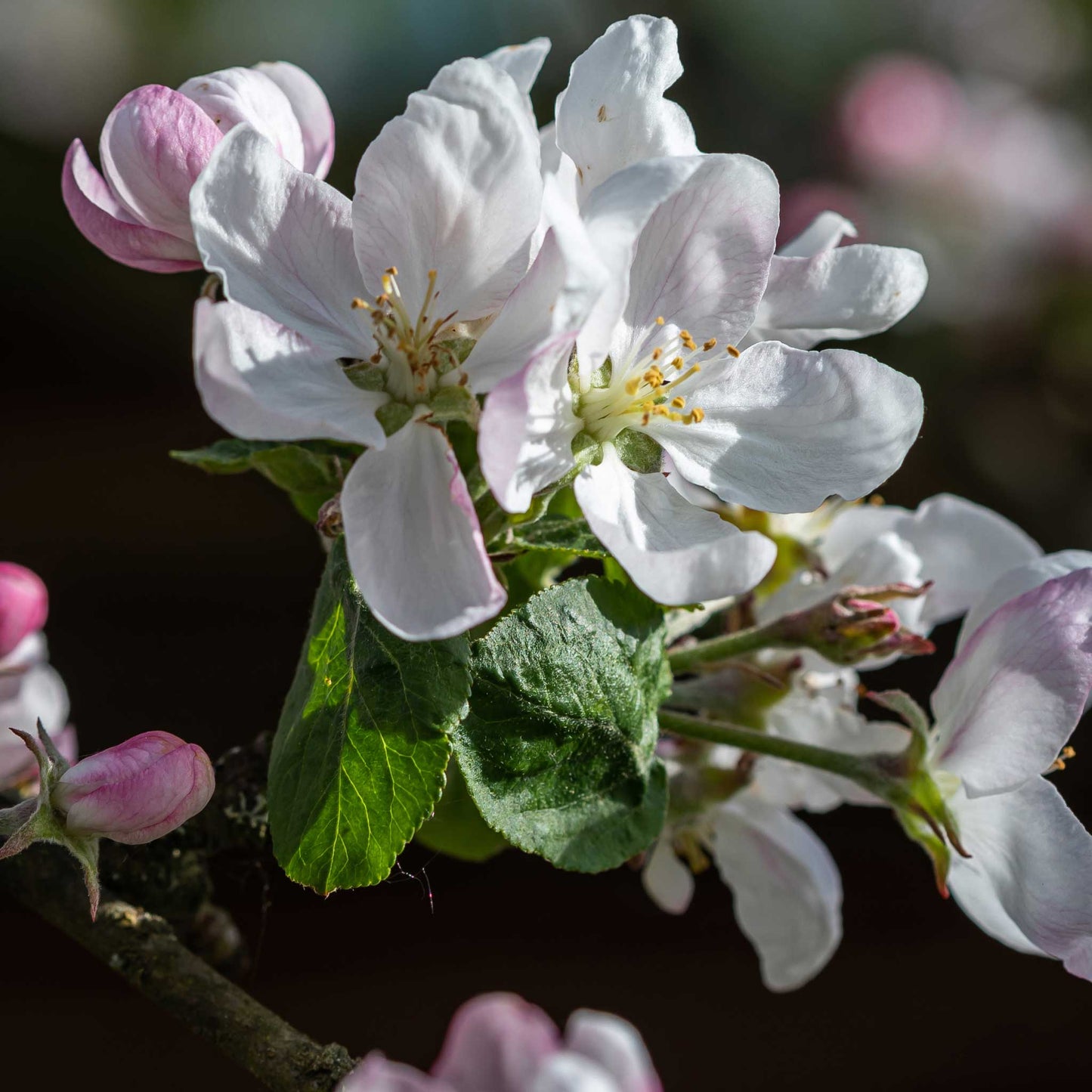
Crisp, juicy, and exceptionally sweet, Fuji is a favorite fresh-eating apple with a refreshing flavor and satisfying crunch. Bred in Japan from two American classics, Fuji Apple Trees produces large, rosy-blushed fruit with creamy, fine-grained flesh that stays crisp remarkably well in storage. Hardy and adaptable across its hardiness zones, it also brings ornamental beauty to the landscape with a showy display of soft pink-and-white blossoms each spring.

This item is excluded from coupon codes and site-wide promotions.

Available across most of the U.S. — except AK, AZ, CA, HI, ID, OR, WA.

  • • Stays crunchy in cool storage; excellent for fresh eating
  • • Rewards you with bushels of fruit each fall
  • Needs a pollinating partner; plant a different but compatible apple variety nearby to set fruit

Planting Information

PLANTING SEASON

  • Spring
  • Fall

PLANTING DEPTH

  • Plant no deeper than the root ball

WATER NEEDS

  • Average

PLANT SPACING

  • 8 to 10 feet

HARDINESS ZONES

  • 5
  • 6
  • 7
  • 8

Planting Guide

recommended growing zone View our Apple Tree Planting Guide to learn more.

Companion Plants

1 of 3

Fuji Apple Tree FAQs

How does a Fuji apple taste, and how is it different?

Fuji is prized for being one of the sweetest apples available, with a high sugar content and only mild tartness. The flesh is firm, fine-grained, and very juicy, giving a clean, refreshing crunch. Compared to a sharp Granny Smith or a softer Red Delicious, Fuji is honey-sweet but dense and long-lasting.

Do I need a second tree to get apples?

Yes. Fuji does not pollinate itself reliably and its pollen is not effective for cross-pollination, so plant a second, compatible apple variety (or a flowering crabapple) that blooms at the same time within about 50 feet. Bees do the rest, and you will get a far heavier crop.

How soon will the tree start bearing fruit?

Most young apple trees begin fruiting within their first few years in the ground, with crops increasing as the tree matures and builds fruiting spurs. Good sun, steady water, and a nearby pollinator all speed it toward full production.

Can I grow Fuji in a cold climate?

Yes. Fuji is hardy across USDA zones 4 through 9, so it handles genuinely cold winters as well as warm summers. In its colder zones, simply place it where it gets full sun and some shelter from harsh winter wind.

Why is my tree dropping its fruit?

A round of small fruit dropping in early summer is normal, it is the tree thinning itself, called June drop. Heavier or later drop usually points to drought stress, poor pollination, or pest damage such as codling moth. Keep moisture consistent, confirm a pollinator partner is nearby, and inspect fallen fruit for insect tunnels.

When and how do I harvest and store them?

Harvest in September and October when the apples are fully colored and lift away with a gentle upward twist. Because Fuji's dense flesh resists going mealy, the fruit stores for months in a cool, humid spot like a refrigerator crisper or a cold cellar, making it ideal for fresh eating well past picking season.

Grown by Our Community • All apple trees

    1 of 0