Skip to product information
1 of 7
Low Stock
Shipping now

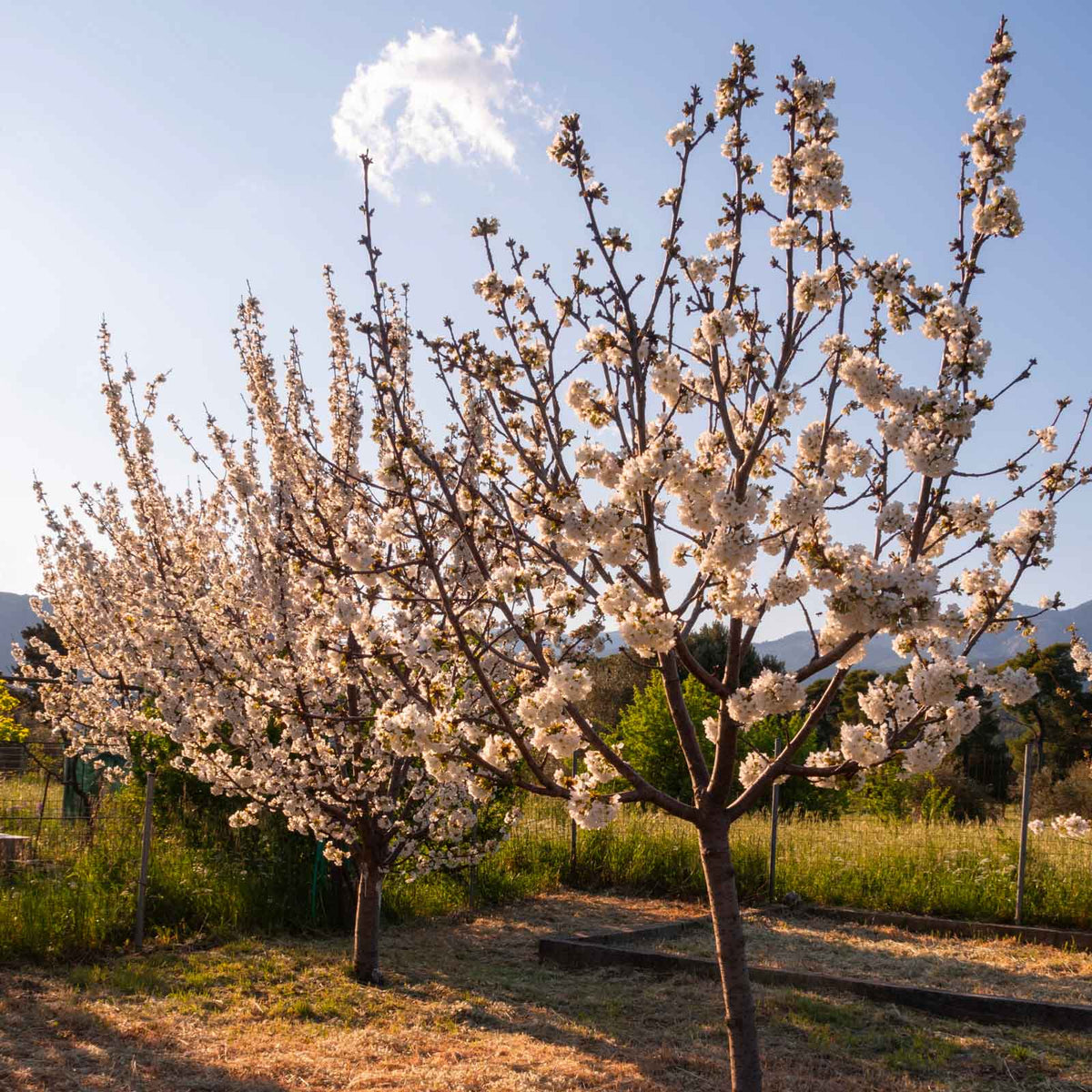
Lapins Cherry Tree

Excellent resistance to fruit cracking

Height
Trusted by 4M+ Gardeners
Grow Guarantee
Fast Shipping
Secure
Shipped from Asheville, NC

About the Variety

New

Key Features

Frost Tolerant
Attracts Bees
Fragrant
Edible

Plant Details

LIFE CYCLE

  • Perennial

SEED TYPE

  • Live Plant

LIGHT REQUIREMENT

  • Full Sun

BLOOM SEASON

  • Spring

GROWTH HABIT

  • Upright

COLOR

  • Red

MATURE SIZE

  • 15-20 ft. x 10-15 ft.

Big, firm, and exceptionally sweet, Lapins produces glossy mahogany-red cherries with crisp, meaty flesh and a rich, honeyed flavor. Unlike many sweet cherries, Lapins Cherry Tree is self-fertile, setting generous crops without a second variety nearby, which makes it an excellent choice for smaller yards and home orchards. Its large, crack-resistant fruit is delicious straight from the branch and holds up beautifully for baking, preserving, and freezing.

This item is excluded from coupon codes and site-wide promotions.

Available across most of the U.S. — except AK, AZ, CA, HI, ID, OR, WA.

  • • Large, firm, honey-sweet cherries
  • • Delicious fresh, baked, or preserved
  • Self-pollinating; an optional pollinating partner may increase yields

Planting Information

PLANTING SEASON

  • Spring
  • Fall

PLANTING DEPTH

  • Plant at the same depth as the nursery container

WATER NEEDS

  • Average

PLANT SPACING

  • 20 to 25 feet

HARDINESS ZONES

  • 5
  • 6
  • 7
  • 8
  • 9

Planting Guide

recommended growing zone View our Cherry Tree Planting Guide to learn more.

Companion Plants

1 of 3

Lapins Cherry Tree FAQs

How does the Lapins cherry taste, and how is it different?

Lapins delivers a classic dark sweet-cherry flavor, high sugar, low acid, and rich, in an unusually large, firm, meaty fruit. The standout difference is that it is self-fertile and notably crack resistant, so you get dessert-quality cherries from a single tree with fewer rain-damaged losses than most sweet varieties.

Do I need a second tree to get fruit?

No. Lapins is self-fruitful, meaning it pollinates itself and will set a full crop as a solo tree, one of the reasons it's a favorite for smaller gardens. Planting another compatible sweet cherry nearby can increase yields but is entirely optional.

How soon will it bear fruit?

Sweet cherries take a few years to settle in before fruiting in earnest, typically beginning to crop a few seasons after planting and building toward heavier harvests as the tree matures. Full sun, steady early watering, and good drainage all speed it toward bearing.

Can I grow Lapins in a cold climate?

Yes! It is hardy in USDA zones 5 through 9 and handles real winters well. It does need a proper winter chill to fruit reliably, so it performs best in regions with a distinct cold season rather than frost-free areas. Given its mature size, plan to grow it in the ground rather than long-term in a pot.

Why is my cherry tree dropping fruit or splitting?

A modest early-summer fruit drop is normal as the tree sheds what it can't carry. Cracked or split cherries usually follow heavy rain or uneven watering right before harvest — Lapins resists this better than most, but keeping soil moisture steady (and easing off water as fruit colors up) helps. Sudden leaf or branch dieback can signal bacterial canker, which is best managed by pruning affected wood in dry weather.

When and how do I harvest, and what can I make with the cherries?

Harvest in May to June once the cherries are fully dark and sweet; pick by the stem and taste a few first, since flavor peaks only at full ripeness. The firm flesh makes Lapins excellent eaten fresh, and it also shines in pies, clafoutis, jams and preserves, and freezes well for use through the year.

Grown by Our Community • All cherry trees

    1 of 0