Skip to product information
1 of 5
Low Stock
Shipping now

Romeo and Juliet Cherry Trees

Sweet-tart fruit for fresh eating and baking

Size
Trusted by 4M+ Gardeners
Grow Guarantee
Fast Shipping
Secure
Shipped from Asheville, NC

About the Variety

New

Key Features

Frost Tolerant
Attracts Bees
Fragrant
Edible

Plant Details

BOTANICAL NAME

Prunus x kerrasis Romeo, Prunus x kerrasis Juliet

LIFE CYCLE

  • Perennial

SEED TYPE

  • Live Plant

LIGHT REQUIREMENT

  • Full Sun

BLOOM SEASON

  • Spring

GROWTH HABIT

  • Compact
  • Upright

COLOR

  • Red
  • Black

MATURE SIZE

  • 5-8 ft. x 5-7 ft.

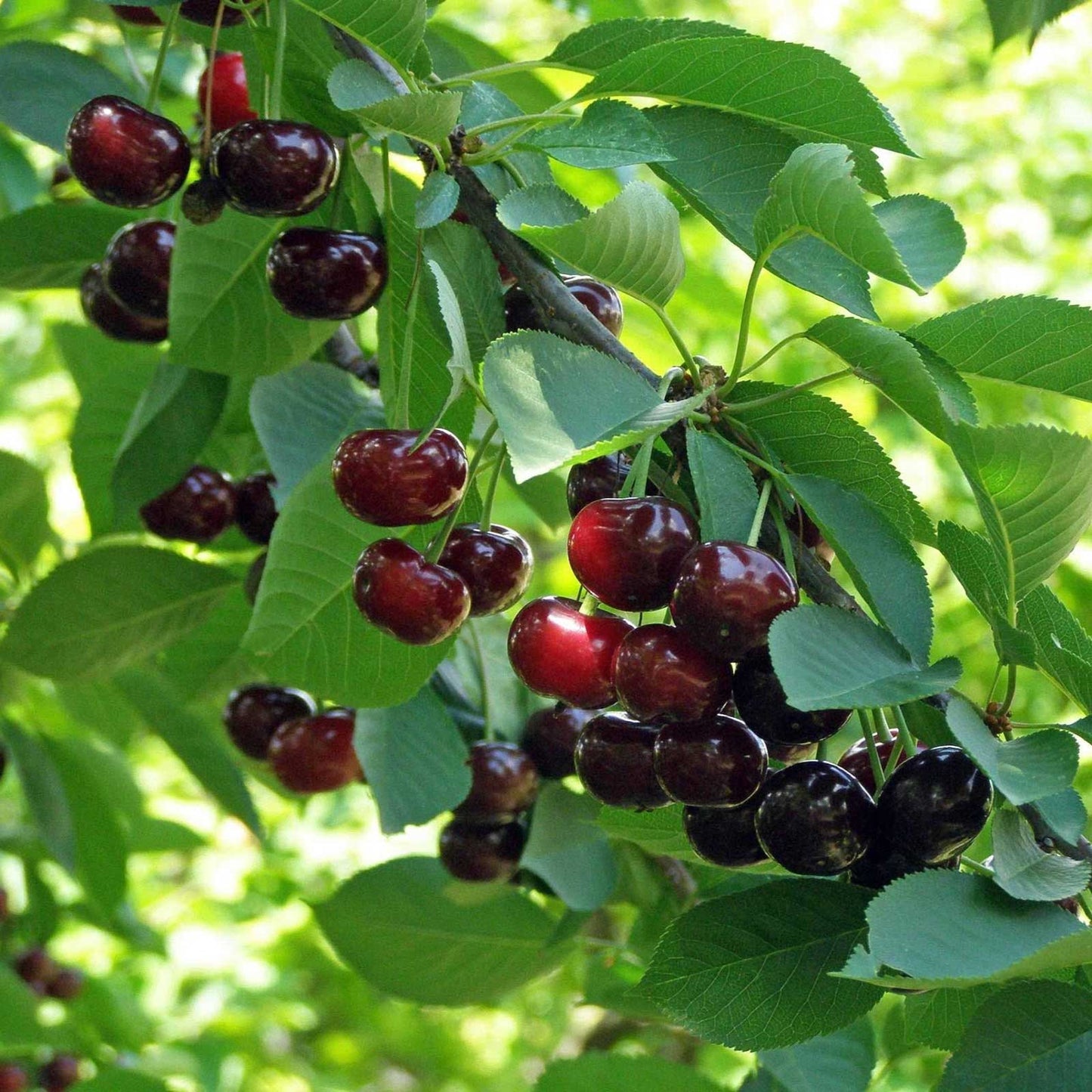
Double your harvest with Romeo and Juliet, two compact cherry trees bred by the University of Saskatchewan to thrive through exceptionally cold northern winters. Juliet produces glossy, bright red cherries with a rich sweet-tart flavor, while Romeo ripens slightly later with darker fruit that's especially delicious for baking, jams, and preserves. Naturally growing just five to eight feet tall, these ultra-hardy cherries fit beautifully into small orchards, edible hedges, and even large patio containers.

This item is excluded from coupon codes and site-wide promotions.

Available across most of the U.S. — except AK, AZ, CA, HI, ID, OR, WA.

  • • Naturally dwarf varieties mean easy netting, easy picking, no ladder needed
  • • Two compact, exceptionally cold-hardy cherry varieties
  • Self-pollinating; planting both trees extends your harvest window across the summer

Planting Information

PLANTING SEASON

  • Spring
  • Fall

PLANTING DEPTH

  • Plant at the same depth as the nursery container

WATER NEEDS

  • Average

PLANT SPACING

  • 6 to 8 feet

HARDINESS ZONES

  • 2
  • 3
  • 4
  • 5
  • 6
  • 7

Planting Guide

recommended growing zone View our Cherry Tree Planting Guide to learn more.

Companion Plants

1 of 1

Romeo and Juliet Cherry Trees FAQs

How do Romeo and Juliet taste, and how are they different from each other?

Both are sweet-tart dwarf cherries with far more sugar than a traditional pie cherry. Juliet is bright red and a touch sweeter, excellent for eating fresh. Romeo ripens a little later with darker, deeper-flavored fruit that shines in jams, baking, and juice. Grown side by side they give you both fresh snacking and preserving cherries.

Do I need a second tree to get fruit?

No — both Romeo and Juliet are self-fertile and will set fruit on their own. That said, planting the two together (or with another compatible dwarf cherry) tends to improve fruit set and stretches your harvest across more of the summer.

How soon will it bear fruit?

These dwarf cherries typically begin producing within a few years of planting once they've established a healthy root system and framework of branches. Full sun, steady moisture, and patience through the establishment period bring the earliest and heaviest crops.

Can I grow them in a container or in a very cold climate?

Yes to both. Their compact five- to eight-foot size suits a large patio container, and they're hardy outdoors all the way to zone 2, among the toughest cherries you can grow. In containers, protect the pot over winter, since roots are less cold-tolerant than the branches.

Why is my tree dropping fruit or leaves?

A light early "June drop" of excess young fruit is normal as the tree self-thins. Heavier drop or yellowing leaves usually point to inconsistent watering, poor drainage, or stress from a recent transplant. Keep soil evenly moist (never waterlogged), maintain mulch, and the tree generally settles within a season.

When and how do I harvest, and what can I make with the cherries?

Pick in summer when the fruit is fully colored, glossy, and gives slightly to a gentle squeeze; Juliet leads and Romeo follows by a week or two. The sweet-tart fruit is wonderful fresh off the tree and excellent for pies, jams, preserves, sauces, and juice. It also freezes well for baking through the winter.

Grown by Our Community • All cherry trees

    1 of 0